
Table of Contents
ToggleIntroduction
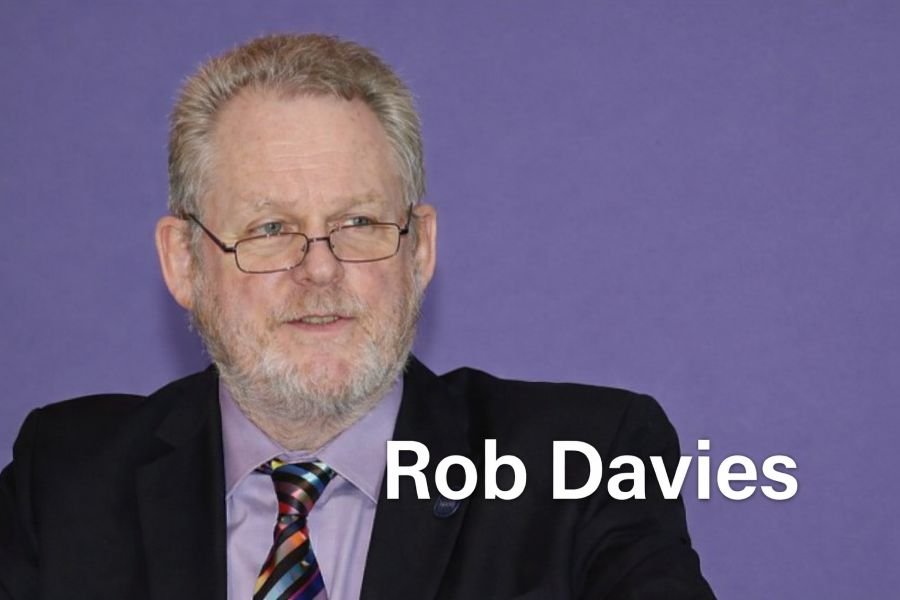
Rob Davies is widely regarded as one of the most influential economic policymakers in modern South African history. His career reflects a unique blend of academic depth, political activism, and pragmatic leadership, positioning him as a central figure in shaping the country’s trade and industrial direction.
As the Former Minister of Trade and Industry of South Africa, Davies played a decisive role in strengthening manufacturing, promoting regional trade, and crafting policies designed to foster long-term economic growth. His journey from anti-apartheid activism to cabinet leadership illustrates both the opportunities and challenges of governing in a transforming economy.
Quick Bio
| Field | Details |
|---|---|
| Real Name | Robert Haydn Davies |
| Known As | Rob Davies |
| Date of Birth | 12 May 1948 |
| Age | 77 (as of 2026) |
| Nationality | South African |
| Profession | Politician, Economist, Academic |
| Known For | Former Minister of Trade and Industry of South Africa |
| Education | Rhodes University; University of Southampton; University of Sussex |
Early Life and Academic Foundation
Intellectual Roots
Rob Davies was born in 1948 in South Africa, growing up during a period marked by political upheaval and social transformation. These formative years influenced his worldview and instilled a deep interest in economic justice and political reform.
His academic path reflected a commitment to understanding global economic systems. Studying economics and international relations allowed him to build a theoretical foundation that would later guide his policymaking decisions.
Higher Education Achievements
Davies earned an honours degree in economics before pursuing postgraduate studies abroad. His master’s degree in international relations broadened his global perspective, while his doctoral research focused on political economy, strengthening his expertise in development strategy.
This academic grounding positioned him as both a thinker and practitioner, enabling him to bridge theory and policy throughout his career.
Activism and Early Career
Anti-Apartheid Engagement
Before entering government, Davies was actively involved in the anti-apartheid movement. His activism underscored a commitment to social and economic transformation, shaping the values that would later define his public service.
During this period, he also contributed to research and policy discussions aimed at envisioning a post-apartheid economic framework, reinforcing his reputation as a thoughtful strategist.
Academic Contributions
Davies built a respected academic career, teaching and conducting research in political economy and regional development. His work explored industrialisation, trade, and economic cooperation, areas that would later become central to his ministerial agenda.
His academic experience enhanced his ability to translate complex economic ideas into actionable policies, a skill that proved essential in government.
Entry into Politics
Democratic Transition
With the advent of democracy in 1994, Davies became a Member of Parliament, joining a new generation of leaders tasked with rebuilding the nation’s institutions. His economic expertise quickly made him a valuable voice in legislative debates.
He contributed to financial and trade policy discussions, helping shape early frameworks aimed at stabilising and modernising the economy.
Rising Leadership Roles
Over time, Davies held several influential parliamentary and executive positions. His steady rise reflected both his policy knowledge and his ability to navigate complex political environments.
These roles prepared him for the responsibilities he would later assume as a cabinet minister, where strategic thinking and negotiation skills were crucial.
Minister of Trade and Industry (2009–2019)
Driving Industrial Policy
As Minister of Trade and Industry, Rob Davies led major initiatives to strengthen South Africa’s manufacturing base and support industrial diversification. His policies emphasised local production, job creation, and competitiveness in global markets.
He introduced and expanded industrial policy action plans designed to guide sectoral development and encourage investment, positioning industry as a key pillar of economic growth.
Expanding Trade Partnerships
Davies also focused on deepening international trade relations, advocating for agreements that supported regional integration and expanded export opportunities. His tenure coincided with evolving global trade dynamics, requiring careful negotiation and strategic planning.
While his policies received praise for their long-term vision, they also faced criticism from those who argued reforms were complex and implementation sometimes slow, highlighting the challenges of balancing ambition with practical constraints.
Policy Impact and Achievements
Strengthening Manufacturing
One of Davies’ most notable contributions was his emphasis on revitalising manufacturing. By promoting local industries and encouraging innovation, he aimed to reduce reliance on imports and create sustainable employment opportunities.
These initiatives helped establish a more structured industrial strategy, providing a roadmap for future economic planning.
Supporting Regional Integration
Davies championed regional trade cooperation, recognising the importance of African markets in South Africa’s economic future. His work contributed to strengthening economic ties across the continent, fostering collaboration and shared growth.
This regional focus reinforced South Africa’s role as a key economic player in Africa.
Challenges and Criticism
Economic Constraints
Davies’ tenure occurred during periods of global economic uncertainty, which limited growth and complicated policy implementation. Structural challenges within the domestic economy also tested the effectiveness of industrial reforms.
Despite these obstacles, he maintained a consistent policy direction, emphasising long-term transformation over short-term gains.
Balancing Policy Expectations
As with many reform-driven leaders, Davies faced criticism from both supporters and detractors. Some praised his strategic vision, while others argued that economic outcomes did not always match policy ambitions.
These debates underscore the complexity of economic governance in a developing and globally connected economy.
Later Career and Public Engagement
Continued Policy Influence
After leaving ministerial office in 2019, Davies remained engaged in economic discussions and public discourse. His insights continue to influence debates on trade, industrialisation, and development strategy.
He has also shared reflections on his experiences through writing and public speaking, contributing to policy learning and historical understanding.
Legacy and Historical Significance
Architect of Modern Industrial Strategy
Rob Davies’ legacy lies in his role as a principal architect of South Africa’s modern industrial policy framework. His decade of leadership helped institutionalise strategic planning within the trade and industry portfolio.
His work demonstrated the importance of aligning economic policy with long-term national development goals.
Bridging Academia and Governance
Perhaps his most enduring contribution is the way he combined academic insight with practical policymaking. This blend allowed him to approach economic challenges with both analytical rigor and real-world awareness.
As a result, he remains a respected figure in discussions about development economics and public policy.
Conclusion
Rob Davies’ career illustrates the complexities of leading economic transformation in a changing global environment. His achievements as Former Minister of Trade and Industry of South Africa reflect both visionary ambition and the realities of policymaking in a dynamic economy.
Through his commitment to industrial development, trade cooperation, and strategic planning, Davies left a lasting imprint on South Africa’s economic trajectory, ensuring his place among the country’s most significant policy leaders.
FAQ
Who is Rob Davies?
Rob Davies is a South African politician, economist, and academic who served as Minister of Trade and Industry from 2009 to 2019.
What is Rob Davies known for?
He is best known for shaping South Africa’s industrial policy and promoting trade development during his decade as minister.
What was his role in government?
Davies served as a Member of Parliament and later as Minister of Trade and Industry, overseeing industrial and trade strategy.
What is his legacy?
His legacy centers on strengthening manufacturing policy, advancing regional trade cooperation, and contributing to long-term economic planning.
