
Table of Contents
ToggleIntroduction
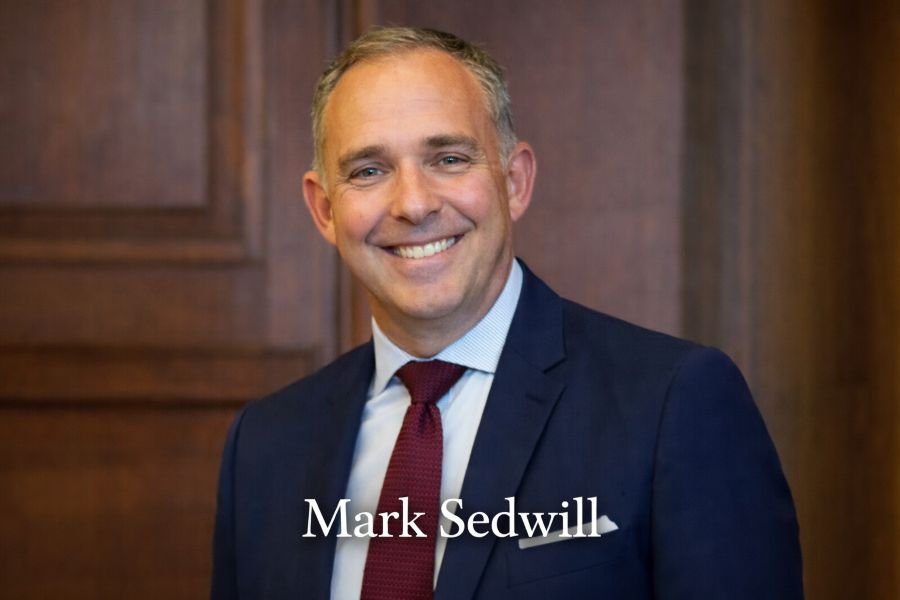
Mark Sedwill stands as one of the most consequential figures in modern British public life, a man whose career unfolded largely behind closed doors yet shaped the direction of national security, diplomacy, and governance. His rise from a young diplomat to the highest office in the UK civil service reflects discipline, strategic thinking, and a calm command of complexity.
At the same time, his career has not been free of criticism. Operating at the intersection of politics and neutrality, Sedwill faced intense scrutiny during periods of national turbulence. This combination of trust and tension defines his legacy and makes his story both powerful and instructive.
Quick Bio
| Attribute | Details |
|---|---|
| Full Name | Mark Philip Sedwill |
| Title | Baron Sedwill of Sherborne |
| Date of Birth | 21 October 1964 |
| Age | 61 years |
| Birthplace | Ealing, London, England |
| Nationality | British |
| Profession | Diplomat, Senior Civil Servant, Peer |
| Education | University of St Andrews (BSc), University of Oxford (MPhil) |
| Known For | Cabinet Secretary, National Security Adviser |
| Current Role | Member of the House of Lords |
Early Life and Education
Mark Sedwill was born in Ealing, London, and spent his formative years in Lincolnshire, where he attended Bourne Grammar School. His early academic promise was clear, and he emerged as Head Boy, a role that hinted at his future leadership trajectory. Growing up in a working professional household instilled discipline and a respect for public service.
He went on to study economics at the University of St Andrews, followed by an MPhil at St Edmund Hall, Oxford. During this period, he also joined the Royal Marines Reserve, an experience that shaped his understanding of military culture and national security. This blend of academic rigor and operational exposure would later define his professional approach.
Entering the Diplomatic Service
In 1989, Mark Sedwill joined the Foreign and Commonwealth Office, beginning a career rooted in diplomacy and international affairs. His early postings exposed him to volatile political environments, demanding both intellectual agility and personal resilience.
Assignments in Egypt, Cyprus, and Iraq placed him at the center of regional security concerns. His role as a UN weapons inspector in Iraq further deepened his exposure to high-stakes international oversight, reinforcing his reputation as a steady and trusted official.
Rising Through Security and Conflict Roles
Sedwill’s career accelerated as he took on more senior and sensitive responsibilities. Serving as Deputy High Commissioner to Pakistan, he operated in one of the world’s most strategically complex regions, balancing diplomacy, counterterrorism, and alliance management.
His appointment as UK Ambassador to Afghanistan marked a defining phase. Later, as NATO Senior Civilian Representative in Afghanistan, he coordinated closely with military leadership during active conflict. These roles demanded decisive leadership, patience under pressure, and the ability to navigate political uncertainty.
Leadership in the UK Government
Returning to London, Sedwill assumed senior roles at the Foreign Office before being appointed Permanent Secretary at the Home Office. In this capacity, he oversaw immigration, policing, and internal security during a period of heightened public concern and political debate.
His appointment as National Security Adviser placed him at the core of UK strategic decision-making. He later became Cabinet Secretary and Head of the Civil Service, the most senior official in government. This role required balancing political direction with civil service neutrality, a task that brought both praise and criticism.
Power, Pressure, and Public Scrutiny
As Cabinet Secretary, Sedwill served during years marked by Brexit negotiations and institutional strain. Supporters viewed him as a stabilizing force who upheld continuity and professionalism. Critics argued that his influence blurred lines between elected authority and bureaucratic power.
Despite differing opinions, his ability to manage complex systems and maintain institutional coherence during turbulent times remains undeniable. Few civil servants have operated at such sustained intensity under such public pressure.
Life Peer and House of Lords
In 2020, Sedwill was appointed a life peer as Baron Sedwill of Sherborne, entering the House of Lords as a Crossbench member. This role allows him to contribute independent expertise, particularly in national security and foreign affairs.
As a Member of the House of Lords of the United Kingdom, he continues to influence policy through analysis rather than executive authority. His contributions reflect experience earned over decades of service rather than partisan alignment.
Professional Identity and Character
Mark Philip Sedwill is known for a reserved, analytical style rather than public rhetoric. He has built a career on the ability to absorb complexity, advise decisively, and operate within confidential environments where discretion is essential.
This approach, while effective, also limited his public visibility, making his influence less understood outside policy circles. Yet within government and international institutions, his reputation remains formidable.
Legacy and Historical Standing
Sedwill’s legacy rests on his stewardship of the UK civil service and his frontline experience in global conflict zones. He represents a generation of officials shaped by post–Cold War instability and the evolving nature of security threats.
His career illustrates both the strength and vulnerability of modern governance systems. Trusted by leaders yet questioned by critics, he embodies the paradox of power exercised without electoral mandate but with lasting impact.
Conclusion
Mark Sedwill’s journey from diplomat to the apex of British administration is a study in authority exercised through expertise rather than visibility. His career highlights the quiet force of institutional leadership, capable of shaping national outcomes without public acclaim.
Whether viewed as a guardian of stability or a symbol of bureaucratic influence, his imprint on British governance is permanent. As a peer and adviser, his voice continues to matter, not because it is loud, but because it is informed.
Frequently Asked Questions
Who is Mark Sedwill?
Mark Sedwill is a British diplomat and senior civil servant who served as Cabinet Secretary, National Security Adviser, and is now a life peer in the House of Lords.
What is Mark Sedwill best known for?
He is best known for leading the UK civil service and advising the Prime Minister on national security during critical political periods.
Is Mark Sedwill a politician?
No, he is not a politician. He is a Crossbench peer, meaning he is independent and not affiliated with any political party.
What is his full title?
His full title is Mark Philip Sedwill, Baron Sedwill of Sherborne.
Does Mark Sedwill still influence UK policy?
Yes, through his role in the House of Lords and policy-focused contributions, he continues to influence national security and governance discussions.
