
Table of Contents
ToggleIntroduction
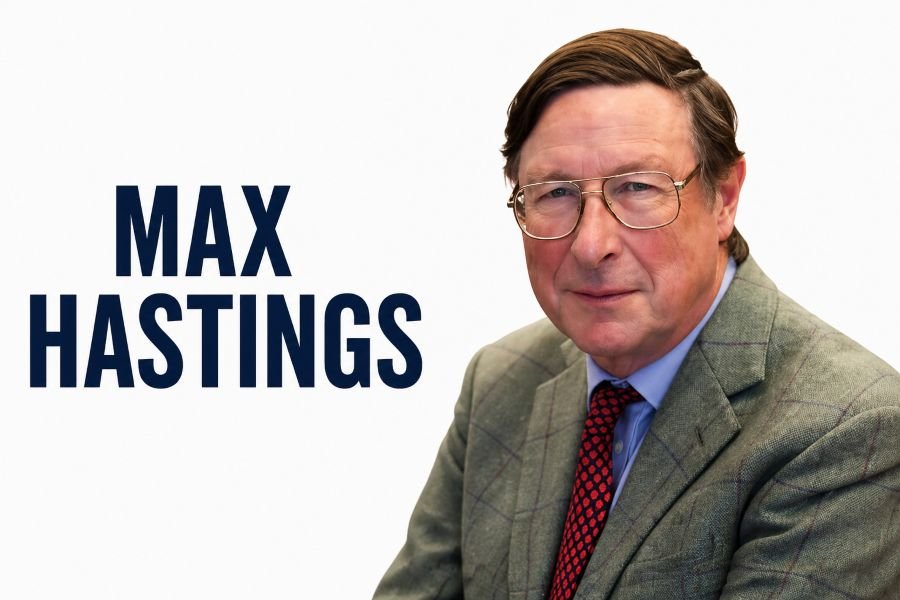
Max Hastings, a renowned British journalist and military historian, has captivated audiences with his extensive reporting on global conflicts and his deeply insightful books on military history. A seasoned war correspondent, Hastings has witnessed the chaos and bravery of various warzones across the globe, offering readers and viewers a vivid understanding of history’s most tumultuous times. With a career that spans decades, his work in journalism and history has cemented him as a respected figure in both fields.
Hastings’ influence extends beyond merely reporting the news; his passion for history, especially military history, has given him a unique perspective that many historians and journalists seek to replicate. This article delves into the life of Max Hastings, highlighting his personal journey, career, and the legacy he leaves behind as a leading British journalist and military historian.
Quick Bio
| Attribute | Details |
|---|---|
| Full Name | Sir Max Hugh Macdonald Hastings |
| Born | December 28, 1945 |
| Nationality | British |
| Profession | Journalist, Military Historian |
| Notable Works | Bomber Command, Overlord, All Hell Let Loose |
| Awards | Knighted (2002), Journalist of the Year (1982) |
| Spouse(s) | Penelope (Penny) Levinson (m. 1999) |
| Children | Charlotte, Harry, and the late Charles Hastings |
| Parents | Macdonald Hastings (father), Anne Scott‑James (mother) |
Max Hastings: Early Life and Beginnings in Journalism
Max Hastings was born on December 28, 1945, in Lambeth, London, England. Raised in a family that was deeply embedded in journalism, he was exposed to the power of words from a young age. His father, Macdonald Hastings, was a respected war correspondent, and his mother, Anne Scott‑James, was an editor and journalist. It’s no surprise that Max was drawn to the profession, and his upbringing laid a strong foundation for his career.
He attended Charterhouse School and later studied at University College, Oxford, although he left after only a year to pursue his passion for writing and journalism. Max Hastings’ early career was filled with dynamic and impactful experiences that would go on to shape his future as one of Britain’s leading journalists and military historians.
Career Timeline: The Journey of a Master Journalist
1960s – The Early Days
In the 1960s, Hastings began his journalistic journey as a reporter for the Evening Standard. He later became a foreign correspondent, reporting from numerous war zones. His first major assignment took him to the United States in 1967, where he spent time as a World Press Institute Fellow and began drafting his first book. His experiences during this time set the stage for his future success and his role as a prominent war correspondent.
1980s – Rise to Prominence
Max Hastings rose to fame in the 1980s, covering conflicts around the world. In 1982, he became the first journalist from the British task force to enter Port Stanley, Falklands, after the British victory in the Falklands War. His unparalleled access to crucial events and ability to communicate the reality of warfare made him a trusted voice in the field of journalism.
During this period, he also took on leadership roles, including being the Editor of the Daily Telegraph. Under his guidance, the newspaper gained recognition for its bold editorial stance and in-depth reporting.
1990s to 2000s – Transition to Military History
By the late 1990s, Hastings transitioned to become a prominent military historian, combining his knowledge of warfare with his journalistic expertise. He authored Bomber Command, a critical book about the aerial campaign against Nazi Germany during World War II. This book, which won the Somerset Maugham Prize, cemented his reputation as a respected historian.
In 2002, Max Hastings was knighted for his contributions to journalism and history. This honor recognized not only his career but also the lasting impact his writings had on understanding military strategy and warfare.
Max Hastings’ Contributions to Military History
Max Hastings has authored more than 30 books, many of which are focused on military history. His works, such as Overlord: D-Day and the Battle for Normandy and All Hell Let Loose: The World at War 1939-1945, are lauded for their thorough research and narrative style. These books provide readers with an insight into the complexity of warfare and the human experience during wartime. Hastings’ focus on World War II, the Falklands War, and Vietnam provides comprehensive examinations of these conflicts, highlighting personal stories alongside broader historical events.
His military history works are noted for their compelling storytelling, where he blends firsthand accounts, historical analysis, and strategic commentary. Through his books and documentaries, Hastings has made history accessible to a wide audience.
Max Hastings’ Influence as a Journalist
As a British journalist and military historian, Max Hastings has built a career that seamlessly intertwines reporting and historical analysis. He is recognized for his ability to report from the frontlines while offering thoughtful, nuanced interpretations of the conflicts he covered. Hastings’ work during the Falklands War and his tenure as Editor of the Daily Telegraph were turning points in both his career and British journalism.
Hastings’ journalistic style is deeply humanistic, with a focus on both the strategies of war and the personal sacrifices of soldiers. His reporting helped elevate the British press’ coverage of wars, making it both informative and emotionally impactful.
Max Hastings’ Legacy and Continued Impact
Max Hastings’ contributions to journalism and military history have made him a pioneer in both fields. His approach to war reporting is still studied and admired by journalists around the world. His ability to balance narrative with rigorous research has set a high standard for military historians. Today, Hastings continues to write for major publications and influence contemporary discussions on military affairs.
While his legacy is built on his written works, it also stems from the generations of journalists and historians he has influenced. His books and reporting have reshaped the way history is communicated, ensuring that the stories of those who lived through wars continue to resonate.
Conclusion
Max Hastings is a figure whose career has shaped the field of both journalism and military history. From his early days as a foreign correspondent to his evolution into a leading military historian, Hastings has consistently offered invaluable insight into the complexities of global conflict. His work continues to inspire future generations, solidifying his position as one of the most respected journalists and historians of our time.
FAQs
1. Who is Max Hastings?
Max Hastings is a British journalist and military historian best known for his comprehensive books on military history and his extensive career as a war correspondent.
2. What are Max Hastings’ most famous books?
Max Hastings’ most famous works include Bomber Command, Overlord: D-Day and the Battle for Normandy, and All Hell Let Loose: The World at War 1939-1945.
3. What is Max Hastings’ background?
Max Hastings was born into a family of journalists, with both of his parents being prominent figures in British journalism. He began his career in the Evening Standard and later became an influential editor at The Daily Telegraph.
4. How many wars has Max Hastings covered?
Max Hastings has reported from over 11 wars, including Vietnam, the Falklands War, and the Yom Kippur War.
5. What makes Max Hastings a renowned military historian?
His work blends in-depth research with vivid storytelling, providing a comprehensive view of military conflicts, particularly World War II, Vietnam, and the Falklands.
6. What is the career timeline of Max Hastings?
- 1960s: Began as a reporter for the Evening Standard and BBC.
- 1982: Covered the Falklands War.
- 1986-1995: Editor of The Daily Telegraph.
- 1996-2002: Editor of The Evening Standard.
- 2002: Knighted for services to journalism.
- Ongoing: Continues writing, lecturing, and contributing to publications.
7. Has Max Hastings been involved in television?
Yes, Max Hastings has presented several historical documentaries, including Wellington Bomber and The Necessary War.
8. How has Max Hastings influenced journalism?
Max Hastings has had a profound influence on both the reporting of conflicts and the writing of history, blending both fields in ways that continue to shape modern journalism.
9. Is Max Hastings still active in journalism today?
Yes, Max Hastings continues to write and contribute to major publications, sharing his expertise on military history and global conflicts.
