
Table of Contents
ToggleIntroduction
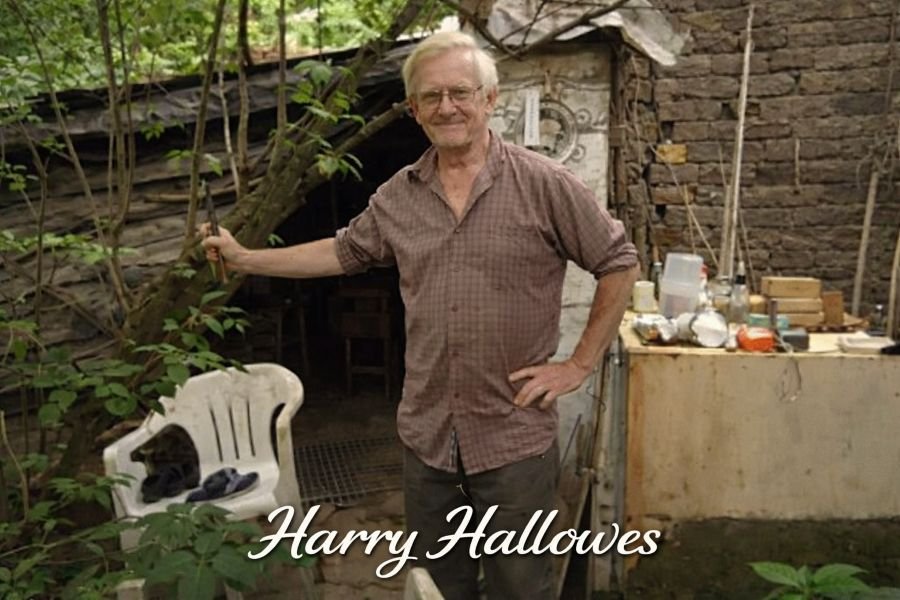
Harry Hallowes remains one of the most fascinating and unusual figures in modern British history. Known widely as Harry the Hermit, he became famous not through wealth, celebrity, or politics, but through an extraordinary life lived on the edges of society. His story is powerful, inspiring, and at times deeply sobering.
While many people struggle silently with homelessness, Harry Hallowes turned his experience into something unforgettable. His life included both positive moments of resilience and negative realities of hardship, making him a symbol of independence, survival, and one of the most remarkable legal stories ever connected to Hampstead Heath.
Quick Bio Table
| Detail | Information |
|---|---|
| Real Name | Henry “Harry” Hallowes |
| Nickname | Harry the Hermit |
| Birth Place | County Sligo, Ireland |
| Birth Year | Circa 1936 |
| Nationality | Irish |
| Profession | Hermit, Local Figure, Legal Landowner |
| Known For | Adverse possession case on Hampstead Heath |
| Major Recognition | Court-granted land ownership (2007) |
| Death | February 2016 |
Early Life of Harry Hallowes
Harry Hallowes was born in County Sligo, Ireland, around the year 1936. His early years were shaped by a traditional Irish upbringing, far from the busy streets of London where his name would later become known. Like many Irish families during that time, his family eventually sought a new life abroad.
In the 1950s, Harry moved with his family to London. This transition from rural Ireland to an expanding modern city was significant. It marked the beginning of a life that would take many unexpected turns, blending travel, hardship, and eventual fame through an unusual legal battle.
Travel and Life Away from Convention
Before becoming the well-known figure of Hampstead Heath, Harry lived a life that did not follow a standard path. He spent time traveling and working abroad, including periods in Australia and New Zealand. These experiences added to his independent character and shaped his ability to survive outside traditional systems.
Unlike many people who build careers through structured jobs, Harry’s life was unconventional. His years abroad reflected a restless spirit, someone not tied to one place, but searching for meaning and freedom in a world that often demands conformity.
Becoming Harry the Hermit
Harry’s most defining chapter began in London during the late 1980s. In 1987, after being evicted from a council flat in Highgate, he began living outdoors. This was not simply a temporary hardship, but the beginning of a long-term lifestyle that would define his public identity.
He built a small shelter on a half-acre patch of land near Hampstead Heath, close to Athlone House. Over time, locals began referring to him as Harry the Hermit, a man living quietly among nature in one of London’s most expensive areas.
Life on Hampstead Heath
For decades, Harry lived in solitude, surviving through simplicity. He became known for doing small gardening jobs and relying on local support. His lifestyle was both admired and questioned, as some saw him as a symbol of freedom while others viewed it as a reflection of housing struggles.
Living outdoors in London brought both positive and negative realities. On one hand, Harry represented resilience and independence. On the other hand, his life highlighted the harsh truth of homelessness and the challenges faced by those outside society’s safety nets.
The Historic Legal Battle
Harry Hallowes became internationally famous because of one extraordinary event: his legal claim to the land he lived on.
In the mid-2000s, property developers attempted to evict him so the land could be used for redevelopment. Harry fought back using the legal principle of adverse possession, which allows someone to claim ownership of land if they have lived there openly and continuously for a long period.
In 2007, the court ruled in his favor, granting him legal ownership of the half-acre plot. This decision shocked many and became one of the most famous modern examples of squatters’ rights in England.
Career Overview and Public Recognition
Harry did not have a conventional profession or business career. However, his life became a form of legacy in itself. His “career,” in a broader sense, was his survival and his unexpected role as a legal symbol.
His case was discussed widely in the media and often cited in conversations about property law, homelessness, and social justice. Harry the Hermit became a figure remembered not for corporate success, but for an extraordinary human story.
Cultural Impact and Film Inspiration
Harry’s life story reached beyond legal circles and into popular culture. His experience inspired the 2017 film Hampstead, which loosely dramatized his life and brought international attention to the story of a hermit living on valuable London land.
This cultural portrayal helped cement Harry Hallowes as more than just a legal case. He became a symbol of solitude, resistance, and the strange intersections between poverty and property in modern society.
Death and Lasting Legacy
Harry Hallowes died in February 2016. His story did not end with his passing. In his will, he left the land to homelessness charities, ensuring that his unusual victory would ultimately benefit others facing housing insecurity.
His legacy remains powerful. Harry the Hermit is remembered as a man who lived differently, endured hardship, and became part of British legal history. His story continues to raise questions about housing, ownership, and what it means to belong.
Conclusion
Harry Hallowes lived a life filled with both hardship and triumph. Known as Harry the Hermit, he became one of London’s most unusual figures, proving that even someone living quietly on society’s margins can leave behind an unforgettable legacy.
His story is inspiring because it shows resilience, but also sobering because it reflects the realities of homelessness. Harry Hallowes will always be remembered as a man who turned solitude into history and transformed a patch of land into a symbol of survival and justice.
Frequently Asked Questions (FAQ)
Who was Harry Hallowes?
Harry Hallowes was an Irish-born man known as Harry the Hermit, famous for living on Hampstead Heath and winning legal ownership of land through adverse possession.
Why was Harry Hallowes called Harry the Hermit?
He earned the nickname because he lived quietly outdoors in solitude for decades near Hampstead Heath in London.
What was Harry Hallowes famous for?
He became famous after winning a landmark legal case in 2007 that granted him ownership of a half-acre plot of land.
Where was Harry Hallowes born?
He was born in County Sligo, Ireland, around 1936.
What is Harry Hallowes’ legacy?
His legacy is tied to resilience, housing awareness, and one of the most remarkable squatters’ rights cases in modern UK history.
